Antique Malls vs. Flea Markets in Michigan
Same goal — old, interesting things — but very different shopping experiences. Here's how to tell them apart and pick the right one for your trip.
Antique malls
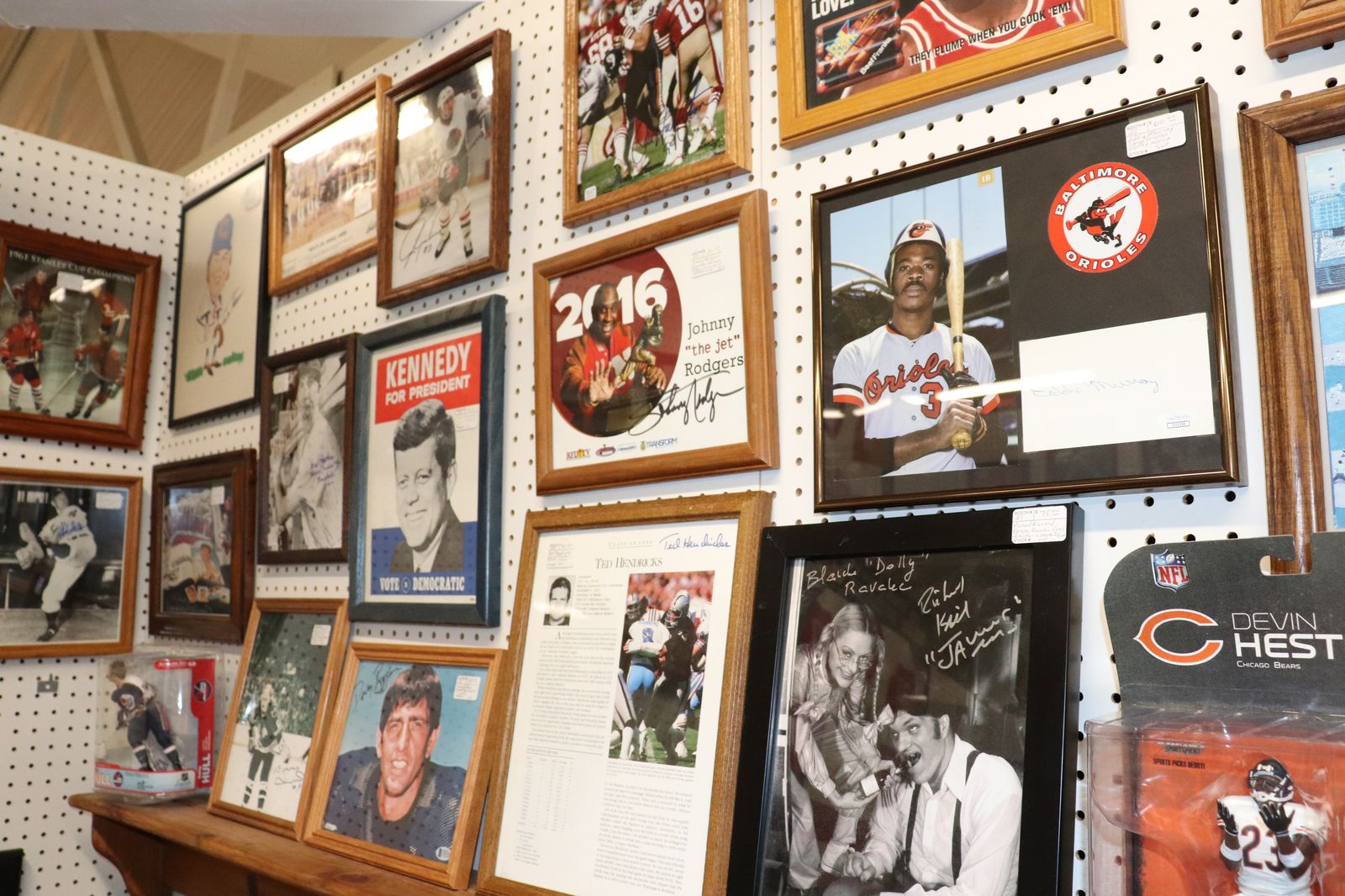
An antique mall is an indoor, climate-controlled building where dozens or hundreds of individual dealers each rent a permanent booth. Saugatuck Antique Pavilion is a good example at scale — around 175 dealer booths across roughly 24,000 square feet, with one shared checkout counter for the whole building. Malls like this are open year-round, so you can plan a visit any season.
Because booths are permanent, dealers tend to price for a longer sales window rather than a single weekend, and inventory turns over gradually rather than all at once.
Flea markets & outdoor shows
Flea markets and outdoor antique shows are typically seasonal — running roughly May through October in Michigan — with vendors setting up temporary tables or tents for a single day or weekend. Turnover is faster, prices are more often negotiable on the spot, and the mix of vendors changes from one event to the next.
Our pick for a mall visit
Saugatuck Antique Pavilion
The clearest example of the antique-mall format done well: consistent hours, central checkout, wide aisles, and enough dealer variety to compare styles and prices in one visit.
Antique Malls FAQ
Are prices negotiable at antique malls?
Sometimes, though less often than at flea markets, since a mall's central checkout may not have authority to discount without the booth dealer's sign-off. It doesn't hurt to ask.
Are antique malls open year-round?
Most indoor antique malls, including Saugatuck Antique Pavilion, are open daily throughout the year, unlike seasonal outdoor flea markets and shows.